
The Growth of the Landauer Children
The Glass RoomThis flow follows Ottilie and Martin from the secure childhood of the Glass Room through flight, exile, and their adult return to its history.
increasing Bearing strength in each event
 decreasing
Bearing strength in each eventdecreasingChildren of the Glass Room
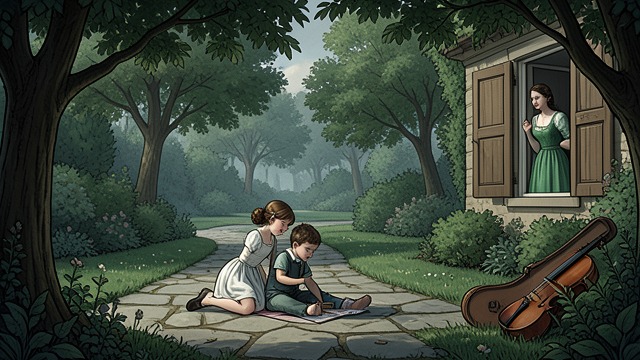
A Childhood Shaped by Space
Home and languages
Ottilie and Martin grow up in the unusual openness of the Landauer House, cared for by Liba and surrounded by family, visitors, music, and gardens.
Their parents encourage them to move between German and Czech rather than be limited by one language or identity.
A remembered beginning
The house makes childhood feel expansive and secure. In later years, that early environment becomes a measure of what exile and political upheaval have taken away.
Children Among Refugees
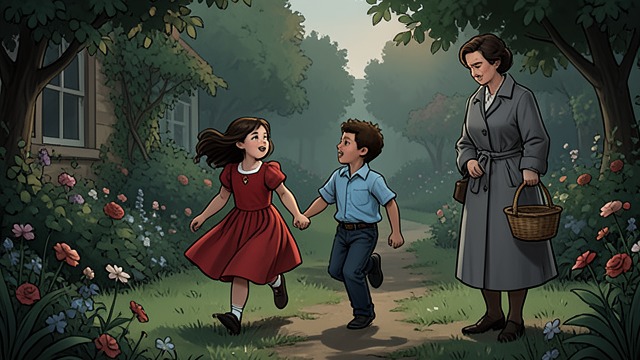
A Wider Family
Marika arrives
When Katalin and Marika find shelter in the Landauer garden, the children meet across differences of class and experience. Marika and Ottilie become companions, while Martin joins their games.
The children’s friendship makes the refugee crisis intimate, not merely a matter of headlines and committees.
A household rearranged
Katalin becomes increasingly integrated into the family’s daily life. The children experience this as ordinary closeness, even as it becomes emotionally complicated for the adults.
Escape with Their Parents
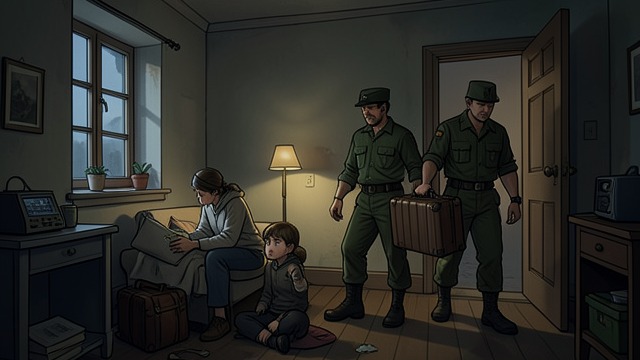
Childhood Interrupted
Departure
Ottilie and Martin leave their familiar house and city as the occupation makes their family unsafe. The hurried journey involves soldiers, documents, and frightened adults whose explanations cannot fully reassure the children.
The children understand the experience through practical questions about the plane, luggage, and where they will sleep.
A divided departure
At Bayonne, Marika is taken from the group with Katalin. The children lose a friend at the same moment their own escape continues.
Growing Up in Exile
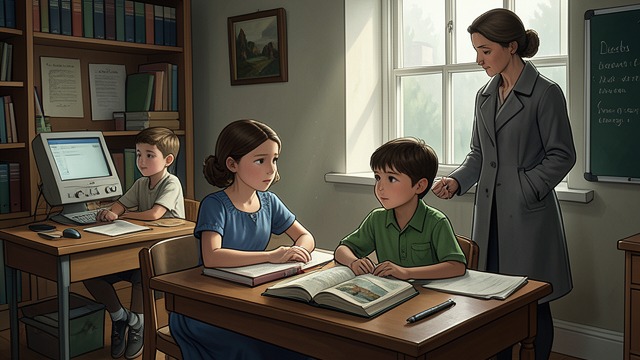
New Routines
Adaptation
The children settle into schools and learn the rhythms of a life far from Město. Their friendship with each other remains a source of continuity as adults make plans and worry about the future.
Katalin becomes a maternal presence in the household, and Marika’s closeness with Ottilie deepens.
What childhood cannot restore
The children adapt, but adaptation does not return them to the home they left. Their earliest memories of the Glass Room persist alongside the life they build elsewhere.
Ottilie Returns as an Adult
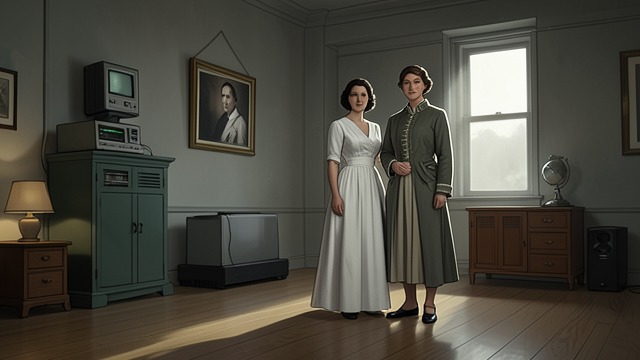
Recognition Across Time
A family photograph
Ottilie returns to the house as an adult and encounters its rooms as both architecture and childhood memory. A photograph and the presence of Marie Delmas bring Marika’s former childhood identity back into view.
The women recognize that the past has survived in fragments, carried by people who were separated for decades.
A changed home
The house is now a museum, but its history remains unsettled. Ottilie’s return connects the building’s public story to private relationships and the children who once lived there.
During the family’s early years in the house
During the refugee crisis in Město
March 1939, leaving Město
During the family’s years in Switzerland
In 1990, at the house museum
